
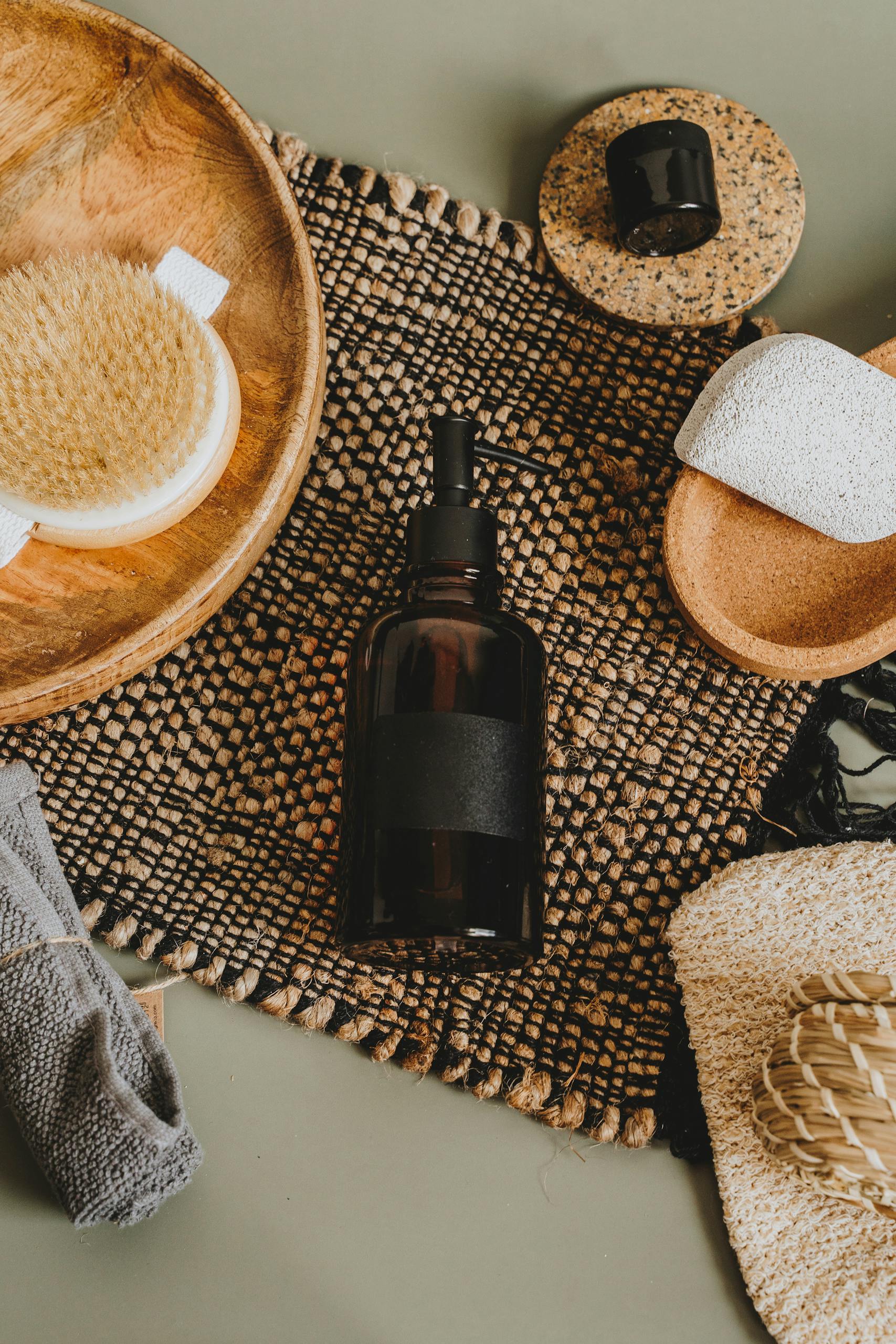
Exfoliation 101: The Secret to Glowing Skin Year-Round
Exfoliation is a crucial but often misunderstood part of a well-rounded skincare routine. By removing dead skin cells from the surface, you allow your skin to renew itself, leading to a smoother, brighter complexion. Regular exfoliation helps prevent clogged pores, reduces the appearance of fine lines, and allows skincare products to penetrate more effectively. But the type of exfoliant you choose and how often you exfoliate should be tailored to your skin type.
There are two main types of exfoliants: physical and chemical. Physical exfoliants use small particles to scrub away dead skin cells manually. These can be effective, but they must be used with care to avoid causing micro-tears in the skin, which can lead to irritation and sensitivity. Look for gentle, rounded exfoliating beads and avoid using products with large, rough particles like walnut shells, which can be too harsh on the skin.
Chemical exfoliants, on the other hand, use acids or enzymes to dissolve the bonds between dead skin cells, allowing them to shed naturally. Alpha-hydroxy acids (AHAs), like glycolic and lactic acids, are water-soluble and work best on the skin’s surface, making them ideal for those with dry or sensitive skin. Beta-hydroxy acids (BHAs), such as salicylic acid, are oil-soluble and penetrate deeper into the pores, making them a good choice for those with oily or acne-prone skin.
For sensitive skin types, start with a mild exfoliant and use it no more than once or twice a week to avoid over-exfoliation, which can compromise your skin’s protective barrier. If you have normal to oily skin, you can exfoliate more frequently—two to three times a week, depending on how your skin reacts.
Over-exfoliation is a common mistake, leading to redness, irritation, and even breakouts. It’s essential to pay attention to your skin’s signals. If it becomes red, flaky, or feels tight after exfoliating, scale back the frequency. Remember, moderation is key to maintaining a healthy glow without damaging your skin’s protective barrier.
Once you’ve exfoliated, follow up with a hydrating serum or moisturizer. Exfoliation enhances the absorption of skincare products, allowing active ingredients to penetrate more deeply and work more effectively. Hydrating ingredients like hyaluronic acid and glycerin can help restore moisture to the skin, leaving it soft and supple.
Incorporating exfoliation into your routine can have a transformative effect on your skin. When done correctly, it can improve texture, even out skin tone, and give your complexion a healthy, luminous glow. Just remember to exfoliate mindfully, choosing products and methods suited to your skin type.